
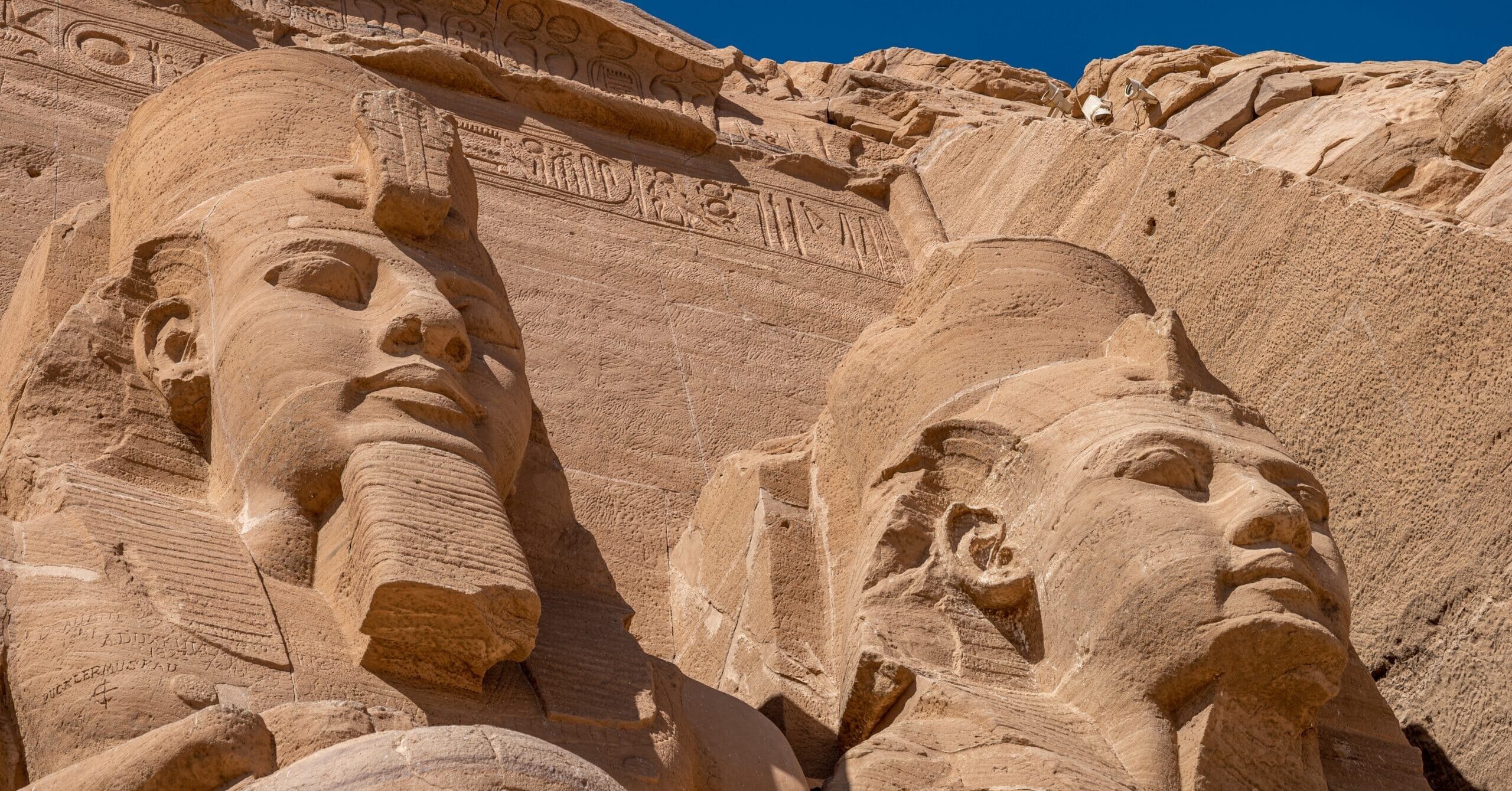
Egyptian archaeologists have uncovered a massive ancient statue believed to depict King Ramses II, the pharaoh long associated by historians with the Old Testament account of Moses and the Exodus. The Egyptian Ministry of Tourism and Antiquities announced the find on April 22, identifying the location as the Tel Pharaoh site in Husseiniya Center, Sharqia Governorate, in the Nile Delta northeast of Cairo. Officials called the piece “remarkable” in size, with the upper portion alone weighing between five and six tons and measuring more than seven feet in length.
The ministry described the statue as being in relatively poor condition, with its legs and base missing, but said the surviving features likely represent King Ramses II. Egyptian antiquities official Mohamed Abdel Badie noted that early analysis suggests the piece was originally created in the city of Pi-Ramesses and transported in antiquity to the Tel Pharaoh site, known in earlier eras as Imet, where it was reused within one of the local religious complexes. He framed the find as important evidence for understanding religious and royal life in the eastern Delta.
Continue reading this article on vfinews.com
